Understanding SMT and THT Assembly Techniques
In the world of electronics manufacturing, the choice between Surface-Mount Technology (SMT) and Through-Hole Technology (THT) plays a crucial role in determining not just the design but the overall functionality and durability of electronic devices. Both assembly methods have their unique advantages and applications, making them essential components of modern PCB (Printed Circuit Board) assembly. Understanding the intricacies of these technologies is vital for engineers, designers, and manufacturers aiming to optimize production processes and meet the ever-evolving demands of various industries.
When exploring options, SMT and THT assembly techniques are influential in shaping the landscape of electronic production. Each method has distinct characteristics that cater to specific types of components and use cases, and knowing when to implement each can significantly impact project outcomes.
What is SMT and THT Assembly?
Surface-Mount Technology (SMT) and Through-Hole Technology (THT) are two primary methods used to attach electronic components to PCBs. SMT involves placing components on the surface of a PCB, whereas THT secures components through holes drilled into the board.
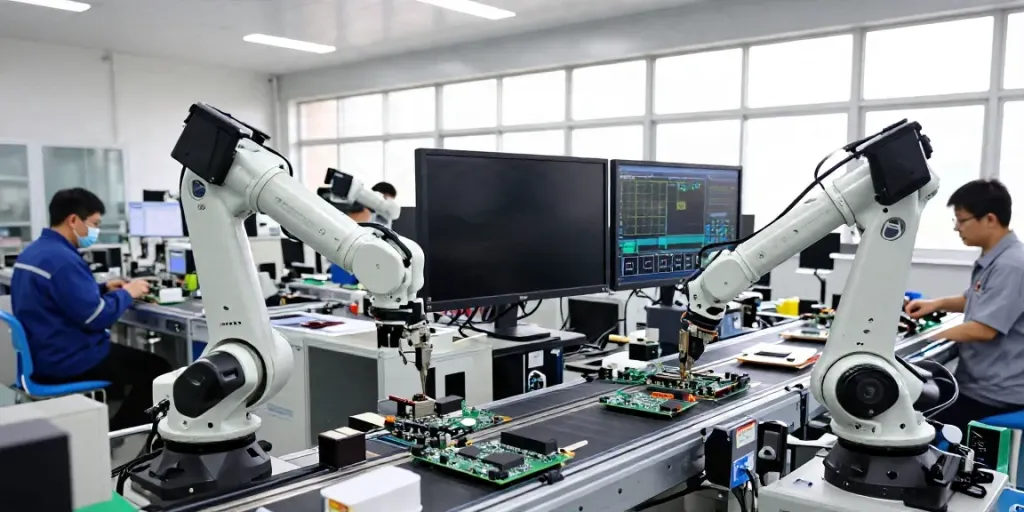
SMT has gained popularity due to its capability to accommodate smaller components and higher component densities. This method allows for automated assembly processes, which contribute to decreased production times and increased accuracy. Conversely, THT is often preferred for larger components or those needing physical strength, such as connectors and transformers. It is particularly effective in applications requiring robust mechanical connections.
Key Differences Between SMT and THT
Understanding how SMT and THT differ can help in making informed decisions regarding PCB design and assembly:
- Component Size: SMT components are generally smaller and contribute to denser circuit designs. THT components tend to be larger and occupy more space on the board.
- Assembly Process: SMT typically utilizes automated assembly, reducing labor costs and increasing throughput. THT often requires manual assembly, especially for complex components.
- Durability: THT provides a stronger physical and mechanical connection, making it suitable for high-stress applications. SMT has improved durability in high-frequency applications through the reduction of inductance.
- Heat Resistance: SMT components can be sensitive to heat during soldering. THT is more forgiving, as components can often withstand higher temperatures during the soldering process.
When to Use Each Technology
The decision to utilize SMT or THT hinges on several factors, including design requirements, production volume, and cost considerations. For high-volume production runs, SMT is often the preferred choice due to its efficiency and ability to accommodate smaller form factors.
On the other hand, for products that require frequent repairs or modifications, THT components provide advantages due to their ease of replacement. Applications in automotive or industrial sectors where strength and reliability are paramount may also lean toward THT solutions. Balancing performance and cost-effectiveness is essential when deciding which technology to use.
Components and Materials Used in PCB Assembly
Common SMT Components
SMT components include a wide range of devices, such as:
- Resistors: Surface-mounted resistors are compact and contribute to the overall miniaturization of circuits.
- Capacitors: These components come in various forms, including ceramic and tantalum capacitors, suitable for SMT applications.
- Integrated Circuits (ICs): SMT ICs are prevalent in modern electronics due to their compact design and multi-functional capabilities.
Popular THT Components
Through-Hole Technology is predominantly used with components that require greater mechanical stability or are larger in size, such as:
- Connectors: THT connectors are crucial in ensuring secure and reliable connections in various applications.
- Inductors and Transformers: These components are often larger and benefit from the mechanical strength provided by THT.
- Power Components: THT is commonly utilized for power resistors and other components requiring robust connections.
Material Considerations for Effective Assembly
The selection of materials plays a significant role in the success of SMT and THT assembly. Key materials include:
- PCB Substrate: Materials such as FR-4 or polyimide are used depending on the application requirements, including thermal and electrical performance.
- Solder Paste: For SMT, the composition of solder paste can affect the reliability of solder joints and overall assembly quality.
- Component Leads: The materials and finishes of component leads must be compatible with soldering processes to avoid failure points.
Best Practices for SMT and THT Assembly
Quality Control Measures
Implementing rigorous quality control measures is vital in ensuring the reliability of assembled PCBs. Regular inspections, automated optical inspections (AOI), and functional testing can help in identifying defects early in the production process.
Documentation of assembly processes and maintaining records of component sourcing also contribute to better traceability and quality assurance. In a competitive market, adhering to quality standards can significantly enhance customer satisfaction and reduce warranty claims.
Optimizing Production Efficiency
To maximize productivity in SMT and THT assembly, manufacturers should consider the following:
- Automated Assembly Lines: Implementing automation can significantly reduce labor costs and increase throughput.
- Lean Manufacturing Principles: Embrace lean practices to minimize waste and streamline processes.
- Continuous Training: Providing training for operators on best practices and new technologies can enhance efficiency and reduce errors.
Common Pitfalls to Avoid
Avoiding common pitfalls can enhance the efficiency and reliability of SMT and THT assembly. Factors to consider include:
- Inadequate Testing: Skipping thorough testing can lead to undetected defects that may surface post-production.
- Poor Component Selection: Choosing incompatible components can result in performance issues or failures.
- Neglecting Documentation: Lack of proper documentation can hinder troubleshooting efforts and lead to process inefficiencies.
Real-World Applications of SMT and THT Assembly
Case Studies in Consumer Electronics
In consumer electronics, both SMT and THT have vital roles, often in hybrid configurations for improved functionality. Smartphones, tablets, and wearable devices predominantly utilize SMT due to the need for compact components and high-density circuit layouts.
THT finds its applications in products like televisions and audio systems where durability and serviceability are paramount. In these cases, the combination of SMT for complex circuitry and THT for connectors creates a balance between performance and manufacturability.
SMT and THT in Automotive Industries
The automotive industry presents unique challenges and demands for PCB assembly. SMT is extensively used in modern vehicle electronics for features such as infotainment systems and advanced driver assistance systems (ADAS), where space constraints are a concern.
THT technology is often employed for components that must withstand significant mechanical and thermal stress, such as power supply circuitry and sensors. The integration of both technologies enables the automotive sector to enhance reliability while offering advanced features in vehicles.
Emerging Trends and Innovations
The PCB assembly landscape is rapidly evolving with advancements in technology. Innovations such as 3D printing for PCB prototypes and advancements in soldering techniques are on the horizon. Furthermore, the integration of AI and machine learning in production lines is set to revolutionize quality control and assembly efficiency.
These trends indicate a shift towards more efficient, sustainable methods of assembly, enabling the electronics industry to respond more effectively to market demands.
Future Trends in PCB Assembly for 2026 and Beyond
Technological Advancements on the Horizon
The future of PCB assembly will likely see the integration of automation and artificial intelligence, enhancing both speed and accuracy in assembly processes. The rise of Industry 4.0 will drive manufacturers to adopt smart factories where production lines communicate and adapt in real-time, optimizing performance and reducing waste.
Market Predictions for Assembly Techniques
Market trends suggest a continued preference for SMT due to its advantages in miniaturization and automation. However, THT will maintain a strong presence in industries that require robustness and mechanical stability.
The increasing demand for customized electronic solutions will also foster hybrid assembly techniques that leverage the benefits of both SMT and THT to meet specific application requirements.
Impact of Sustainability on PCB Manufacturing
Sustainability has become a crucial consideration in PCB manufacturing. The industry is moving towards eco-friendly materials and processes, including lead-free solder and recyclable substrates. Furthermore, manufacturers are exploring ways to minimize energy consumption and waste throughout the production cycle.
What Are the Key Considerations for Future Assemblies?
As the PCB assembly industry advances, key considerations must include:
- Adaptability: The ability to pivot between SMT and THT assembly as project needs evolve.
- Cost Management: Navigating cost structures to maintain profitability while ensuring high-quality outputs.
- Sustainability Initiatives: Incorporating green practices that align with market demand for environmentally conscious solutions.