Understanding Engineered Composites: An Overview
Engineered Composites are revolutionizing various sectors by providing advanced materials that cater to unique industrial needs. At the forefront of this innovation is Glass Reinforced Plastic (GRP), a composite material known for its exceptional strength and lightweight properties. GRP's versatility makes it suitable for a range of applications from construction to marine industries. When exploring options, Engineered Composites delivers comprehensive insights and products that meet high performance standards.
What are Engineered Composites?
Engineered composites are sophisticated materials created by combining two or more constituent materials, resulting in a product that exhibits enhanced properties. Commonly used in a variety of fields, these composites have characteristics tailored to meet specific functional requirements, including increased strength, reduced weight, and resistance to environmental factors. GRP is a prominent example, made by embedding glass fibers within a polymer matrix, which imparts robustness and durability.
The Role of GRP in Various Industries
GRP is utilized across multiple industries due to its adaptability and performance. In the automotive sector, it contributes to lightweight designs that improve fuel efficiency without compromising safety. In the construction industry, GRP’s resistance to corrosion makes it an ideal choice for fittings and structures exposed to harsh environments. Moreover, its application in telecommunications ensures that infrastructure remains unaffected by weather-related wear and tear, while the marine industry benefits from GRP's waterproof and buoyant properties.
Core Properties of Engineered Composites
Engineered composites like GRP are characterized by their high strength-to-weight ratio, flexibility, and resistance to corrosion and chemicals. These properties enable them to outperform traditional materials, particularly in environments where metal or wood may degrade. Additionally, GRP’s non-conductive nature makes it suitable for electrical applications, minimizing the risks of electric shock or short circuits.
Advantages of Using Engineered Composites
The use of engineered composites, particularly GRP, offers a multitude of advantages that can significantly enhance project outcomes.
Comparative Analysis: GRP vs. Traditional Materials
When comparing GRP to traditional materials such as steel and aluminum, several key differences emerge. GRP is generally 70% lighter than steel, making it easier to transport and install. Unlike metals, GRP does not rust or corrode, eliminating the need for protective coatings and reducing maintenance costs. This lightweight nature also allows for designs that require fewer structural supports, leading to lower overall project costs.
Key Benefits for Industry Applications
- Corrosion Resistance: Ideal for harsh environments such as coastal regions or chemical processing facilities.
- Custom Fabrication: GRP can be molded into complex shapes, allowing for bespoke designs tailored to specific project needs.
- Long Lifespan: With a service life exceeding 50 years, GRP demands minimal upkeep, ensuring reliability over time.
Cost-Effectiveness and Lifecycle Considerations
Although the initial investment in GRP may be higher than traditional materials, its long-term cost-effectiveness is undeniable. The reduced need for repairs, maintenance, and replacements leads to lower lifecycle costs. Additionally, its energy-efficient manufacturing process significantly reduces environmental impact, aligning with sustainability targets for many industries.
Quality Assurance in GRP Manufacturing
Maintaining high standards of quality in the manufacturing of GRP is paramount for ensuring the performance and safety of the final product.
Production Standards and Compliance
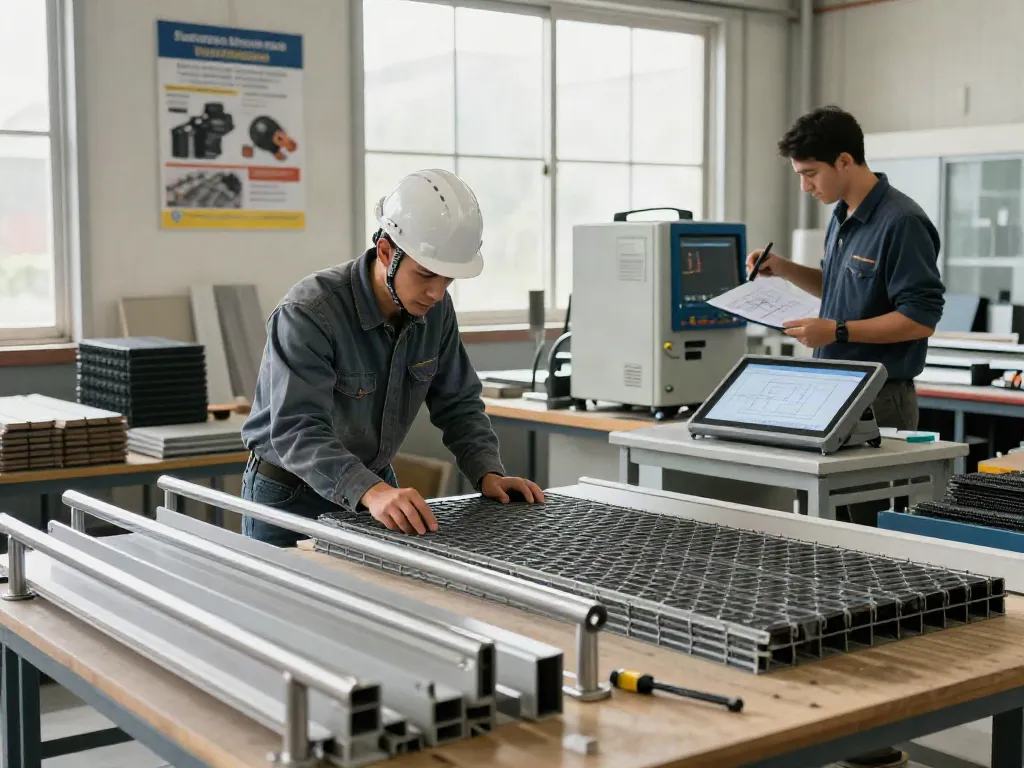
GRP products must meet stringent regulations and quality standards. Engineered Composites operates under an ISO 9001-certified quality management system, adhering to BS EN 13706 performance standards. This ensures that every product, from gratings to fencing systems, meets specified strength and safety guidelines.
Testing and Certification Processes
All GRP materials undergo rigorous testing to verify their performance capabilities. This includes assessments of tensile strength, impact resistance, and fire safety ratings. By ensuring compliance with international standards, we can guarantee that our GRP products are safe for use across various environments.
Maintaining Consistency in Quality Control
To maintain consistency, Engineered Composites monitors every stage of the production process. This includes sourcing high-quality raw materials and conducting in-house testing. Such meticulous quality control procedures foster trust and reliability among clients across different industries.
Applications of Engineered Composites
The applications for engineered composites are vast and growing, driven by the material's unique properties.
Structural and Non-Structural Uses
Engineered composites are used in both structural and non-structural applications. For example, GRP beams and channels are utilized for load-bearing purposes in construction, while non-structural elements may include GRP cladding and decorative features. This versatility allows for innovative solutions across various sectors.
Outdoor Performance and Environmental Resistance
GRP products are designed to withstand outdoor exposure without degrading, making them perfect for landscaping, marine applications, and utility installations. Their UV-stabilized surface prevents fading and allows them to retain their aesthetic appeal while offering practical functionality.
Innovative Uses in Emerging Markets
As industries continue to evolve, the use of engineered composites is expanding into new markets. For instance, developing countries are increasingly adopting GRP for infrastructural projects due to its cost-effectiveness and sustainability. Innovations such as GRP rebar and anti-slip products exemplify how this material is addressing modern engineering challenges.
Getting Started with Engineered Composites
Organizations interested in integrating engineered composites into their projects can benefit significantly from understanding how to choose the right products and approach suppliers effectively.
How to Choose the Right GRP Products
When selecting GRP products, companies should consider factors such as application requirements, environmental exposure, and compliance with industry standards. Consultation with GRP suppliers can provide valuable insights into selecting products that best fit project specifications.
Requesting Quotations and Getting Samples
To ensure that the selected materials meet the necessary requirements, potential customers should request sample products. This allows for real-world testing and evaluation before making a bulk purchase. Additionally, obtaining quotations from suppliers, such as Engineered Composites, can clarify pricing and lead times.
Future Trends in GRP Manufacturing
The future of GRP manufacturing is bright, with innovations in material science leading to enhanced properties and applications. As industries seek sustainable solutions, the demand for GRP is expected to increase, prompting manufacturers to explore new composites that offer improved performance and reduced environmental impact.
What industries commonly use Engineered Composites?
Engineered composites are finding applications in various sectors, including automotive, construction, marine, telecommunications, and utility sectors. These industries benefit from GRP's lightweight and durable properties, making it a preferred choice for structural and non-structural components.
How long do GRP products last?
GRP products typically have a lifespan exceeding 50 years, greatly surpassing many traditional materials. Their resistance to environmental factors ensures that they remain structurally sound and visually appealing for decades, making them a reliable investment.
Are Engineered Composites environmentally friendly?
Engineered composites are increasingly recognized for their sustainability. GRP manufacturing consumes significantly less energy compared to steel, and many GRP products can be recycled at the end of their life cycle. This characteristic aligns with global efforts to reduce carbon footprints and promote sustainable construction practices.
Can GRP products be customized for specific needs?
Yes, one of the compelling features of GRP is its ability to be customized. Manufacturers can tailor the dimensions, shapes, and functional properties of GRP products to align with specific project requirements, enhancing versatility and application.
How do Engineered Composites meet safety standards?
Engineered Composites adheres to rigorous safety standards, ensuring that all products meet or exceed national and international regulations. Fire safety compliance, structural integrity, and environmental exposure certifications are vital aspects of the manufacturing process, promoting safety across all applications.