Understanding the Role of CNC Machining in Aerospace Manufacturing
CNC machining plays a pivotal role in the aerospace industry, serving as the backbone of precision parts production and custom components that are crucial for the safety and performance of aircraft. Since 2003, Honscn has been dedicated to providing professional CNC machining services tailored specifically for the aerospace sector. As a result, many organizations rely on our expertise to fulfill their unique manufacturing needs. When exploring options, leading aerospace cnc parts manufacturers can offer insights into the complexities involved in aerospace manufacturing.
What are CNC Machining Processes?
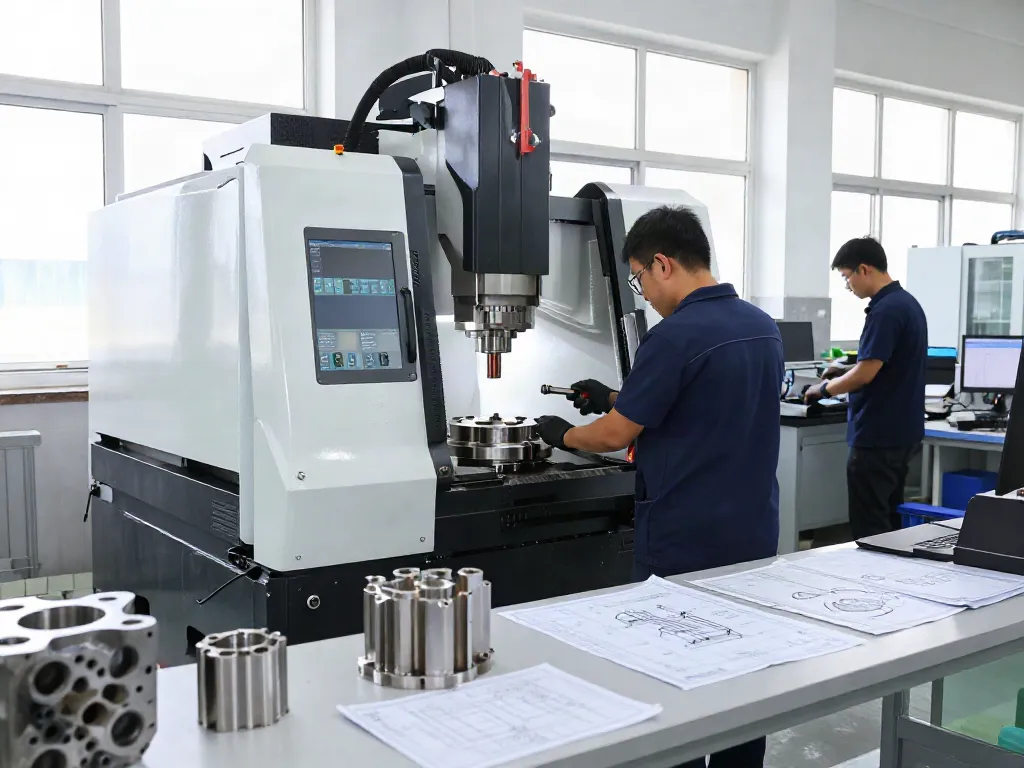
CNC (Computer Numerical Control) machining involves the use of computer-controlled machines to create precise components from various materials. The processes include CNC milling, turning, and routing which allow for high levels of accuracy and repeatability. In aerospace, components can range from small brackets to larger components like engine parts, all requiring meticulous attention to detail and adherence to strict tolerances.
Key Advantages of CNC Machining for Aerospace Parts
- Precision and Accuracy: CNC machining provides unparalleled precision, essential in aerospace components where safety is paramount.
- Scalability: Whether for rapid prototyping or mass production, CNC machining can accommodate small or large runs without sacrificing quality.
- Material Versatility: CNC machines can work with a wide variety of metals and plastics, ensuring that manufacturers can select the optimal material for their specific application.
- Reduced Waste: Advanced CNC machining processes reduce material waste, which is crucial for minimizing production costs and environmental impact.
Overview of Precision CNC Parts Required in Aerospace
Aerospace manufacturing demands components that can withstand extreme conditions, including high temperatures and pressures. Examples of precision parts include:
- Engine mounts
- Landing gear components
- Brackets and housings
- Fuel system parts
Choosing the Right CNC Machining Service Provider
Selecting a CNC machining service provider is a critical decision that can affect the success of aerospace productions. Understanding the capabilities and reputation of potential partners is essential for ensuring quality.
Evaluating Expertise Among Leading Aerospace CNC Parts Manufacturers
When analyzing manufacturers, consider their experience in the aerospace sector, including certifications and past projects. Look for providers with a proven track record of delivering complex projects on time and within budget. The right partner should also possess certifications such as AS9100, indicating compliance with aerospace quality management standards.
Comparing Materials Used in Aerospace CNC Machining
Material selection is fundamental in aerospace CNC machining, as different materials possess distinct mechanical properties. Commonly used metal materials include:
- Aluminum alloys
- Titanium alloys
- Stainless steel
- Copper
Additionally, plastic materials such as PEEK, ABS, and PTFE are commonly used for non-structural components and lightweight applications. These materials help in enhancing the performance and durability of aerospace parts.
Understanding Certifications and Standards in Aerospace Manufacturing
Compliance with industry standards is non-negotiable in aerospace manufacturing. Manufacturers must adhere to strict regulatory requirements to ensure safety and reliability. Familiarity with standards such as AS9100 and ISO9001 ensures that products are manufactured consistently and with high quality.
Challenges in Aerospace CNC Machining
The aerospace sector faces numerous challenges in CNC machining, necessitating innovative solutions and agile manufacturing processes to overcome obstacles and meet production demands.
Common Obstacles in Precision Parts Production
In precision parts production, challenges like tooling wear, machine breakdowns, and the need for rapid design changes can disrupt manufacturing. Implementing preventive maintenance schedules and advanced monitoring techniques can minimize these disruptions.
Managing Supply Chain Issues in Aerospace Manufacturing
The aerospace supply chain can be complex and vulnerable to disruptions. Manufacturers must establish strong relationships with suppliers and ensure they have contingency plans in place to mitigate risks associated with material shortages or delays.
Addressing Quality Control Measures for Aerospace Parts
Quality control is vital in aerospace manufacturing. Processes such as Statistical Process Control (SPC) and rigorous testing methods help ensure that parts meet the stringent quality and safety standards demanded by the industry.
Innovative Solutions for Efficient CNC Machining
As technology progresses, the aerospace industry is continuously seeking innovative solutions to enhance CNC machining processes and increase efficiency.
Utilizing Advanced Technologies in Aerospace CNC Services
Technologies such as 5-axis machining and advanced CAD/CAM software improve precision and facilitate the production of complex geometries that are often required in aerospace components. These technologies not only enhance capabilities but also streamline production workflows.
Implementing Effective Rapid Prototyping Techniques
Rapid prototyping enables manufacturers to quickly iterate designs and make necessary adjustments before entering full-scale production. Techniques such as additive manufacturing and CNC rapid prototyping play a crucial role in reducing lead times and accelerating product development cycles.
Streamlining Mass Production Processes for Aerospace Parts
Implementing lean manufacturing principles helps aerospace companies enhance efficiency and reduce waste during mass production. Techniques such as cellular manufacturing and just-in-time (JIT) inventory management can significantly improve overall productivity.
Future Trends in Aerospace CNC Machining
As we look towards 2026 and beyond, several trends are expected to shape the future of aerospace CNC machining, driving innovation and operational efficiency.
Technological Advancements to Watch in 2026 and Beyond
Emerging technologies such as artificial intelligence (AI), machine learning, and the Internet of Things (IoT) are set to revolutionize CNC machining in aerospace, offering enhanced predictive analytics, process optimization, and real-time monitoring capabilities.
Shifts in Material Usage for Sustainable Aerospace Manufacturing
With increasing emphasis on sustainability, the aerospace industry is likely to see a shift toward more eco-friendly materials and processes. Manufacturers will need to adapt to using biomaterials and recyclable composites to enhance their environmental profiles.
Predicted Changes in Regulatory Standards and Industry Practices
The aerospace sector is known for its stringent regulations. As new materials and technologies are adopted, regulatory bodies may introduce updated standards to ensure safety and performance. Staying ahead of these changes is crucial for manufacturers to remain compliant.
What are the top CNC manufacturers in aerospace?
Leading manufacturers often include organizations recognized for their technical expertise and innovative solutions, with a firm grasp on both CNC machining capabilities and the unique demands of the aerospace industry.
How important is precision in aerospace CNC parts?
Precision is critical in aerospace CNC parts. Even minor deviations can lead to significant safety issues, so manufacturers must adhere to strict tolerances throughout the production process.
What materials are commonly used in aerospace CNC machining?
Aerospace CNC machining often utilizes metals like aluminum, titanium, and stainless steel, as well as advanced plastics suitable for high-performance applications.
How can I choose a reliable CNC machining partner?
Evaluating a potential CNC machining partner should involve assessing their experience in aerospace, checking certifications, and reviewing their production capabilities and quality control measures.
What are the benefits of rapid prototyping in aerospace?
Rapid prototyping allows for faster innovation and iteration of designs, leading to reduced time-to-market and improved product outcomes in aerospace manufacturing.