The Science Behind Age Estimation
The desire to know one’s perceived age has been a long-held curiosity, prompting individuals to seek insights into how they are viewed by others. With advances in technology, particularly in artificial intelligence (AI) and facial recognition, tools that estimate facial age have become increasingly popular. This comprehensive examination delves into the science behind these estimations, providing a clearer understanding of how they work and what users can expect. For anyone interested in experimenting with these age-detecting capabilities, platforms like how old do i look can offer an engaging experience.
Understanding Facial Recognition Technology
Facial recognition technology is a sophisticated process that involves detecting, analyzing, and recognizing human faces. At its core, this technology employs algorithms that can identify key facial features and compare them against vast datasets. For age estimation, systems often focus on specific attributes such as skin texture, wrinkles, and overall facial structure, assessing how these features correlate with biological aging. As AI continues to evolve, so does the accuracy and reliability of these systems.
How AI Analyzes Age Perception
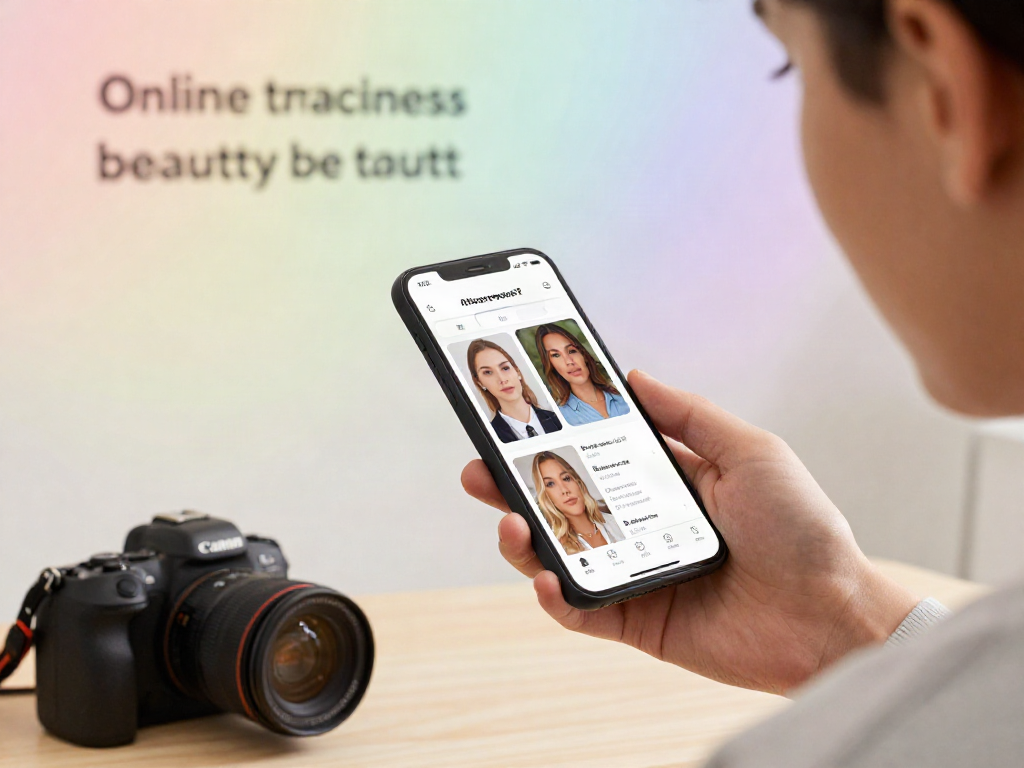
Artificial intelligence plays a pivotal role in the age estimation process, leveraging machine learning to refine its analyses. When a user uploads a photograph, the AI scans the image to identify unique facial markers associated with aging. This includes examining factors like:
- Wrinkle depth and distribution
- Skin elasticity
- Presence of age spots or discoloration
- Facial contour and fat distribution
By analyzing these variables, the AI can predict a user’s perceived age with remarkable accuracy. Recent advancements have even allowed systems to adapt and learn from user feedback, continuously improving the estimations provided.
Common Misconceptions About Age Detection
Despite the hype surrounding age estimation technologies, several misconceptions persist. One prevalent myth is that these tools can determine the exact chronological age of an individual. While the algorithms provide educated guesses based on facial features, various factors such as genetics, lifestyle, and environmental influences mean the results can vary significantly. Furthermore, users might expect a one-size-fits-all approach, which fails to account for the diversity in human features and aging processes.
How Old Do I Look? User Experiences
Understanding the user experience offers insight into the reality of using age estimation tools. While expectations can be high, the actual experience can be quite different, leading to a mix of satisfaction and skepticism among users.
Real Stories from Users of Age Estimating Apps
Many users have shared their experiences using age estimation apps with fascinating outcomes. Some found the results surprisingly accurate, validating their self-perception, while others noted discrepancies between their actual and perceived ages that sparked discussions about societal perceptions of beauty and aging. Testimonials reveal a blend of amusement and wonder as individuals explore the nuances of their aging appearance.
Expectation vs. Reality: What Users Anticipate
Many users initially approach these tools with a sense of curiosity and excitement, often expecting to see age estimates that align closely with their self-image. However, reality can differ significantly, with some users presenting as younger or older than they perceive themselves. This gap can be attributed to the inherent biases individuals hold about aging and societal standards of beauty.
Feedback: Do Users Trust the Results?
Trust in the results of age estimation tools varies among users. Some embrace the technology, viewing it as a fun way to engage with their appearance, while others remain skeptical of the accuracy of the algorithms. The intersection between technology and personal perception plays a crucial role in how users respond to the results, often influenced by their experiences with similar tools.
Best Practices for Using Age Estimation Tools
To maximize the benefits of age estimation tools, users should adopt specific practices that enhance accuracy and ensure a positive experience.
From Uploading Photos to Understanding Feedback
The quality of the photo uploaded plays a vital role in the accuracy of age estimations. It's advisable for users to select clear, well-lit images that capture their facial features effectively. Understanding feedback is equally important; users should interpret results within the context of broader research on aging rather than taking them at face value.
Maximizing Accuracy in Age Estimation
To improve the accuracy of results, users can adhere to the following guidelines:
- Use high-resolution images
- Avoid heavy makeup that can obscure facial details
- Submit photos with neutral facial expressions
By following these practices, individuals can receive more reliable age estimates that reflect their facial characteristics more accurately.
Privacy Considerations When Using AI Tools
In an era where privacy is paramount, understanding the implications of uploading personal images to AI platforms is essential. Users should always check the privacy policies of the tools they use, ensuring that data is stored securely and used responsibly. It’s also wise to avoid sharing sensitive personal information alongside images to protect one’s privacy.
Future of Age Estimation Technology
The future of age estimation technology is poised for remarkable advancements, with several trends expected to emerge by 2026.
Trends to Watch in AI and Facial Recognition by 2026
As AI technologies continue to advance, we anticipate greater accuracy and integration of age estimation tools across various platforms. The development of more sophisticated algorithms that account for diverse aging patterns will enhance user experience and trust in the technology. Additionally, the rise of augmented reality applications may revolutionize the way people engage with age estimation technologies, providing interactive experiences.
How the Technology Will Impact Social Media and Beauty Standards
With the integration of age estimation tools into social media, we expect shifts in beauty standards as individuals reflect on their perceived ages. This could lead to increased acceptance of aging and a redefinition of beauty norms that celebrates maturity rather than equates youth with attractiveness. The societal implications of these technologies will likely spark important conversations about self-image and the aging process.
Predictions on User Engagement and Trust
As user familiarity with AI technology grows, we predict a rise in engagement with age estimation tools. Increased transparency about how data is used and improved algorithms will likely enhance user trust. By addressing the common concerns regarding privacy and accuracy, developers can foster a community that feels secure in utilizing these innovative tools.
FAQ About Age Estimation Tools
As the popularity of age estimation tools grows, so do the questions surrounding their use. Here we address some of the most common inquiries.
What factors influence my age estimate?
Several factors contribute to the age estimates provided by AI tools, including facial features, skin condition, and lighting in the uploaded photo. Each of these elements affects how an algorithm interprets age.
Can I improve the accuracy of results?
Yes, ensuring good lighting, using clear images, and avoiding heavy makeup can significantly enhance the accuracy of age estimations produced by these tools.
Are there risks associated with uploading my photo?
Yes, privacy concerns are the main risks. It's crucial to use trusted platforms and review privacy policies to understand how your data will be handled.
How does lighting affect the age estimation?
Lighting plays a critical role; poor lighting can obscure details and alter the perceived age. Natural, even lighting is preferable for accurate results.
What makes these apps popular among young adults?
Young adults are often attracted to these apps for their entertainment value and the novelty of using technology to engage with personal appearance. The social aspect of sharing results can also enhance their appeal.