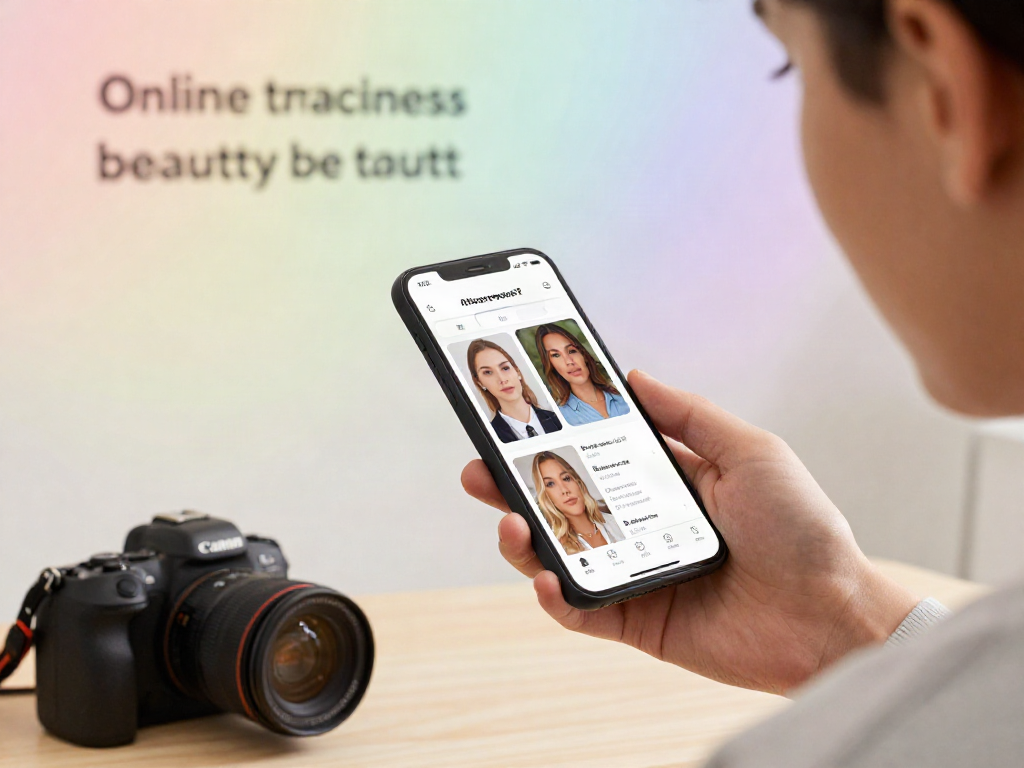
Understanding Attractiveness in the Digital Age
In a world where visual impressions hold significant weight, the concept of beauty is more scrutinized than ever. The rise of technology has transformed how we perceive and evaluate attractiveness. This shift has paved the way for online tools and algorithms designed to assess beauty standards, creating a fascinating intersection between human perception and digital evaluation. One such tool is the test of attractiveness, which allows users to gauge their attractiveness based on various facial metrics.
What is the test of attractiveness?
The test of attractiveness is an innovative tool that utilizes algorithms to analyze facial features and assign an attractiveness score to individuals based on certain criteria. Generally, these tests evaluate parameters such as facial symmetry, proportions, and adherence to the golden ratio—key elements believed to define physical beauty. Users typically upload a photograph, and the software performs an analysis to yield a score often represented on a scale, providing a seemingly objective measure of attractiveness.
Historical context of attractiveness assessments
Historically, beauty assessments have evolved significantly. In ancient times, beauty was viewed through philosophical lenses, such as those presented by Plato and Aristotle, who linked attractiveness to moral goodness and virtue. The Renaissance saw the birth of the iconic “golden ratio” as a standard of beauty, which artists and theorists alike embraced. Fast forward to the 20th century, where psychological studies began to explore the concept of beauty in a more structured way, leading to modern beauty assessments that correlate attractiveness with social perceptions and biases.
Technological influence on beauty standards
Today, technology plays a crucial role in shaping our understanding of beauty. Platforms like social media amplify specific beauty ideals, influencing public perception and individual self-esteem. The proliferation of filters and editing tools further complicates this landscape, creating unattainable standards. Against this backdrop, attractiveness tests powered by artificial intelligence emerge as both a reflection and a shaper of contemporary beauty norms, offering users a chance to engage with these standards in a personal way.
How AI is Shaping Attractiveness Tests
The mechanics behind AI attractiveness algorithms
AI-driven attractiveness tests use complex algorithms to analyze facial features meticulously. They rely on data from thousands of individuals to generate insights about what constitutes attractiveness in various cultural contexts. Machine learning models interpret facial landmarks and assess symmetry and proportions, combining these metrics to compute an overall attractiveness score. This process highlights the blend of mathematical precision with subjective beauty standards, bridging science and aesthetics in unprecedented ways.
Data privacy and ethical considerations
As attractiveness tests become more popular, ethical considerations come to the forefront. Issues of data privacy and representation are significant, given that users often share personal images for analysis. Many platforms have established strict privacy policies, but the fear of misuse or misrepresentation remains a concern. Additionally, the accuracy of these tests can be debated, as they may perpetuate societal biases. Thus, ethical frameworks must accompany technological advancements to ensure that these tools empower rather than diminish self-esteem.
Real-life applications of AI in beauty analysis
AI’s role in beauty analysis extends beyond casual tests. In the fashion and cosmetic industries, companies use similar technologies to tailor products to consumer preferences based on attractiveness metrics. Personalized marketing and product recommendations now leverage data from beauty assessments to enhance customer experiences and drive sales. Moreover, some beauty brands utilize AI to develop new products designed to meet specific beauty ideals as defined by various attractiveness scores.
User Experience in Online Attractiveness Tests
Design features that enhance user engagement
Engagement is key when it comes to online attractiveness tests. Platforms are now incorporating user-friendly interfaces, real-time feedback, and interactive elements to enrich the experience. Features like instant attractiveness scores, breakdowns of facial metrics, and visual representations of beauty assessments contribute to user satisfaction and repeat visits. Additionally, community aspects—such as sharing results and comparing scores—enhance the social experience, driving further engagement.
Emotional impacts of receiving attractiveness scores
The emotional response to attractiveness tests can vary significantly among users. While some individuals may feel validated by a high score, others might experience feelings of inadequacy or anxiety in response to lower scores. This psychological aspect underscores the importance of providing context and supportive messaging around these tools. Educating users about the inherent subjectivity of beauty can mitigate adverse effects and foster a more positive experience.
Comparative analysis with traditional beauty assessments
Comparing online attractiveness tests with traditional beauty assessments reveals distinct differences. Traditional assessments often rely on subjective human judgment, influenced by cultural biases and personal opinions. In contrast, AI-driven tests strive for objectivity, utilizing data-driven algorithms to minimize human error. However, they are not exempt from biases inherent in their training datasets, raising questions about their reliability compared to traditional methods.
Challenges and Misconceptions of Online Attractiveness Testing
Addressing bias and accuracy in AI assessments
One of the substantial challenges faced by online attractiveness tests is the potential for bias. If the data used to train AI models reflect societal prejudices, the outcomes may inadvertently reinforce stereotypes. Developers must prioritize diverse datasets and continually evaluate and refine algorithms to ensure fair and accurate representations across various demographics. This ongoing effort is vital for maintaining credibility in the beauty assessment landscape.
Overcoming negative self-perception from scores
Given the potential for negative self-perception stemming from low attractiveness scores, addressing this issue is crucial. Tools should include mechanisms for users to interpret their scores positively, emphasizing the fluid nature of beauty and the individuality of each person's features. Providing resources for self-improvement and self-acceptance can empower users, shifting the focus from mere scoring to personal growth and confidence building.
Common myths about attractiveness tests
Several misconceptions surround online attractiveness tests. One prevalent myth is that these tests define a person’s worth or ability to succeed in social situations. In reality, attractiveness is just one facet of human experience and personal value. Another misconception is that a high score guarantees popularity or success, which is often untrue. Broadly, these tests should be viewed as tools for self-assessment rather than definitive judgments.
The Future of Attractiveness Assessment Technologies
Emerging trends in beauty technology for 2026
As we move into 2026, emerging trends in beauty technology will likely focus on personalization and augmented reality. Expect advancements that allow users to visualize potential changes or enhancements to their appearance in real-time. Innovations in machine learning will refine attractiveness assessments, allowing for more nuanced evaluations that consider not just facial features but also skin health and overall wellness.
Integrating virtual reality into attractiveness testing
Virtual reality (VR) technology holds significant potential for transforming attractiveness testing. Imagine a virtual environment where users can experiment with different looks, styles, and even facial adjustments, all while receiving real-time feedback on their attractiveness scores. This immersive experience could provide a more engaging and interactive means of exploring beauty, moving beyond static image analysis to a dynamic, experience-oriented approach.
Predictions for user adaptation and acceptance
As attractiveness assessment technologies evolve, user adaptation is crucial. Anticipating the concerns and acceptance levels of users will inform the development of more effective tools. Continuous user feedback will drive improvements, ensuring that these technologies resonate with audiences and promote a healthy understanding of beauty. Education around the limitations and benefits of these assessments will further enhance user acceptance.
What factors do attractiveness tests consider?
Attractiveness tests typically consider factors such as facial symmetry, skin clarity, age-related features, and adherence to cultural beauty standards. The weight given to each factor varies across different algorithms, leading to diverse outcomes based on the methodology employed by each test.
Are online attractiveness tests reliable?
While online attractiveness tests offer insights based on statistical data and algorithmic models, their reliability can be subjective. Users should approach the results as one component of self-assessment rather than definitive measures of worth or beauty.
How can I use my attractiveness score effectively?
To use your attractiveness score effectively, consider it a starting point for personal exploration. Reflect on your unique features and qualities, using the feedback to make informed choices about your appearance or self-care practices. It can also be beneficial to engage in discussions with peers or professionals to interpret results meaningfully.
What are the benefits of taking an attractiveness test?
Taking an attractiveness test can provide several benefits, including increased self-awareness, insights into societal beauty standards, and a platform for discussing self-image. It can also motivate individuals to engage in self-care or beauty routines that enhance their overall well-being.
Can attractiveness tests change over time?
Yes, attractiveness tests can change and evolve over time as societal norms and beauty standards shift. Continuous advancements in technology and evolving cultural attitudes will influence how beauty is perceived and measured, leading to adaptations in the algorithms used for these assessments.