The Importance of Reclaimed Water Systems in Sustainability
As the global water crisis intensifies, innovative solutions are paramount to ensure sustainable water management. Reclaimed water systems play a critical role in addressing this challenge by recycling wastewater into high-quality reusable water. These systems not only alleviate pressure on freshwater resources, but also contribute significantly to environmental sustainability. By adopting advanced technologies and streamlined processes, reclaimed water systems transform what was once considered waste into a valuable resource, thus supporting various sectors, including agriculture, industry, and municipal applications.
Understanding Reclaimed Water Systems
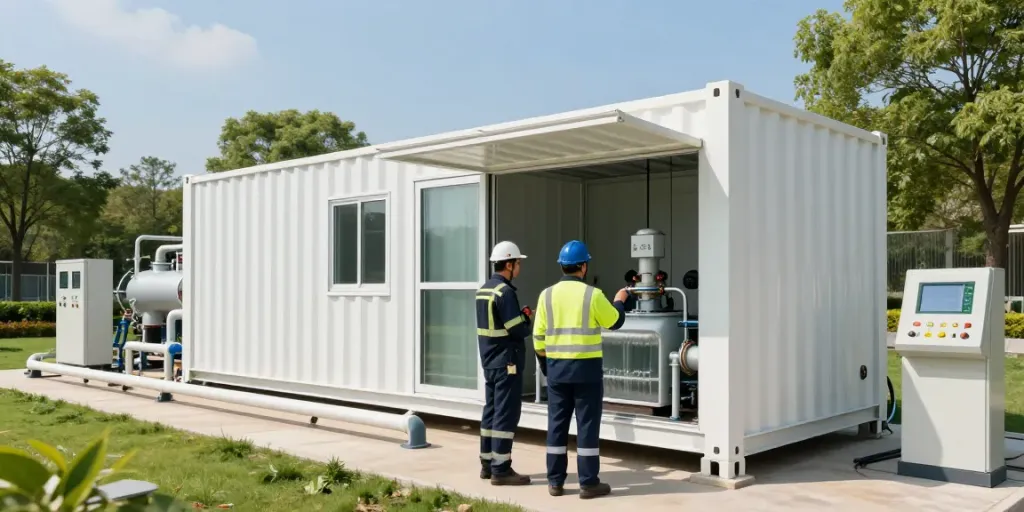
Reclaimed water systems involve the treatment and repurposing of wastewater—whether from municipal sources or industrial processes—into high-quality water suitable for various applications. These systems utilize cutting-edge technologies like membrane bioreactors (MBR), ultrafiltration (UF), and reverse osmosis (RO) that ensure effective purification of the water, making it safe for reuse. Notably, containerized reclaimed water systems offer a compact and turnkey solution, facilitating rapid deployment and adaptability to diverse environments, including remote areas and scenic locations.
Benefits of Sustainable Water Reuse
- Resource conservation: Reclaimed water systems significantly reduce the demand for freshwater, allowing municipalities and industries to conserve valuable natural resources.
- Cost savings: By reusing treated wastewater, facilities can lower their water procurement costs and reduce wastewater treatment expenses.
- Enhanced resilience: These systems provide a reliable water source, particularly in drought-prone regions where traditional water supplies may be limited.
- Environmental protection: By recycling water, reclaimed water systems minimize the environmental impact of wastewater disposal and contribute to the preservation of aquatic ecosystems.
Environmental Impact and Resource Conservation
Reclaimed water systems contribute to significant environmental benefits by minimizing wastewater discharge into natural water bodies. The advanced treatment processes not only reduce pollutants but also support the restoration of local ecosystems. For example, treated reclaimed water can be safely used for irrigation in agriculture, parks, and golf courses, thereby reducing reliance on freshwater sources. Additionally, by integrating reclaimed water into existing water supply networks, communities can enhance their water sustainability initiatives and promote conservation efforts.
Advanced Technologies in Reclaimed Water Systems
Key Technologies: MBR, UF, and RO
At the heart of effective reclaimed water systems are several advanced technologies. Membrane Bioreactors (MBR) combine biological treatment and membrane filtration processes to efficiently remove contaminants, producing high-quality reclaimed water. Ultrafiltration (UF) complements this by removing suspended solids and microorganisms, ensuring water clarity. Reverse Osmosis (RO), a critical stage in advanced treatment, further purifies water by eliminating dissolved solids and pathogens, making it suitable for even the most stringent reuse applications.
How Technology Enhances Water Quality
The integration of these technologies in reclaimed water systems significantly improves the overall water quality. MBR systems, for instance, maintain a biologically active environment that effectively breaks down organic matter while simultaneously filtering out larger particles. This dual-action process results in high-quality effluent that meets or exceeds regulatory standards for various reuse applications.
Future Innovations to Watch For in 2026
Looking ahead to 2026, the reclaimed water systems sector is poised for significant innovations. Expect advancements in real-time monitoring technologies that will enhance system efficiency and maintain water quality. Additionally, further developments in membrane technology will likely yield more energy-efficient processes and increased operational longevity, further driving the adoption of reclaimed water systems across industries.
Implementation Strategies for Municipal and Industrial Applications
Developing a Tailored Water Reuse Strategy
The successful implementation of reclaimed water systems requires a tailored approach that considers specific project needs. Stakeholders must collaborate to identify the sources of wastewater, determine treatment requirements, and outline potential reuse applications. Reclaimed water systems can be customized to serve various purposes such as irrigation, industrial processing, and even potable reuse, depending on the community or facility’s requirements.
Challenges in Implementation and Solutions
While the benefits of reclaimed water systems are clear, several challenges hinder their widespread adoption. These include public perception issues regarding water safety, regulatory hurdles, and the initial capital investment required for advanced treatment technologies. To overcome these obstacles, educational initiatives and transparent communication about the safety and benefits of reclaimed water are essential. Collaborative partnerships with regulatory agencies can also streamline the permitting process.
Real-World Case Studies and Success Stories
Numerous municipalities and industries have successfully implemented reclaimed water systems, showcasing their effectiveness in water management. For instance, in California, numerous water districts have adopted reclaimed water for irrigation and industrial processes, significantly reducing their reliance on imported water. Similarly, in Australia, urban areas have utilized treated sewage for landscape irrigation, demonstrating how reclaimed water can enhance sustainability in high-demand regions.
Cost Considerations and Economic Benefits of Reclaimed Water
Cost Comparison: Reclaimed Water vs. Traditional Sources
From an economic perspective, reclaimed water systems present a viable alternative to traditional water sources. The cost of treating and distributing reclaimed water is often lower than sourcing groundwater or surface water, especially in regions with limited freshwater supplies. This makes reclaimed water an attractive option for municipalities seeking to stabilize their water costs while enhancing their sustainability profile.
Financial Incentives for Sustainable Practices
Governments and organizations are increasingly offering financial incentives to encourage the adoption of reclaimed water systems. Grants, tax credits, and subsidies can help offset the initial costs associated with implementation, making these systems more accessible to municipalities and industries alike. By capitalizing on these opportunities, organizations can strengthen their economic position while promoting sustainability efforts.
Long-term Economic Impact of Reuse Systems
The long-term economic benefits of reclaimed water systems extend beyond immediate cost savings. By investing in sustainable water reuse technologies, communities can improve their resilience to climate change impacts, reduce the economic burden of water scarcity, and cultivate a more sustainable local economy. Furthermore, these systems can generate job opportunities within the green technology sector, fostering economic growth.
Future Trends in Reclaimed Water Systems for 2026 and Beyond
Regulatory Changes Impacting Water Reuse
As the demand for sustainable water solutions grows, regulatory frameworks surrounding reclaimed water usage are expected to evolve. Stricter water quality standards and better-defined guidelines for potable reuse will likely emerge in response to increased public interest in safety and environmental impact. Staying informed about these changes will be crucial for stakeholders looking to implement reclaimed water systems effectively.
Community Acceptance and Involvement in Reclaimed Water Projects
For reclaimed water systems to succeed, community acceptance is vital. Engaging local residents through educational programs and public consultations can help build trust and address concerns regarding water safety. Furthermore, involving the community in project planning and decision-making ensures that the systems align with local values and needs, fostering a sense of ownership and commitment to sustainable practices.
Predictions for Reclaimed Water Usage in Different Sectors
By 2026, reclaimed water systems are expected to see increased usage across various sectors, including agriculture, landscaping, industrial processes, and even potable applications. As technology advances and public awareness grows, the integration of reclaimed water into mainstream water management strategies will likely become commonplace, contributing to sustainable resource use and fostering a circular economy.